
Why the Economics of Our Civilization Point to Collapse
We’re the Only Part of Nature That Takes and Takes and Doesn’t Give Back
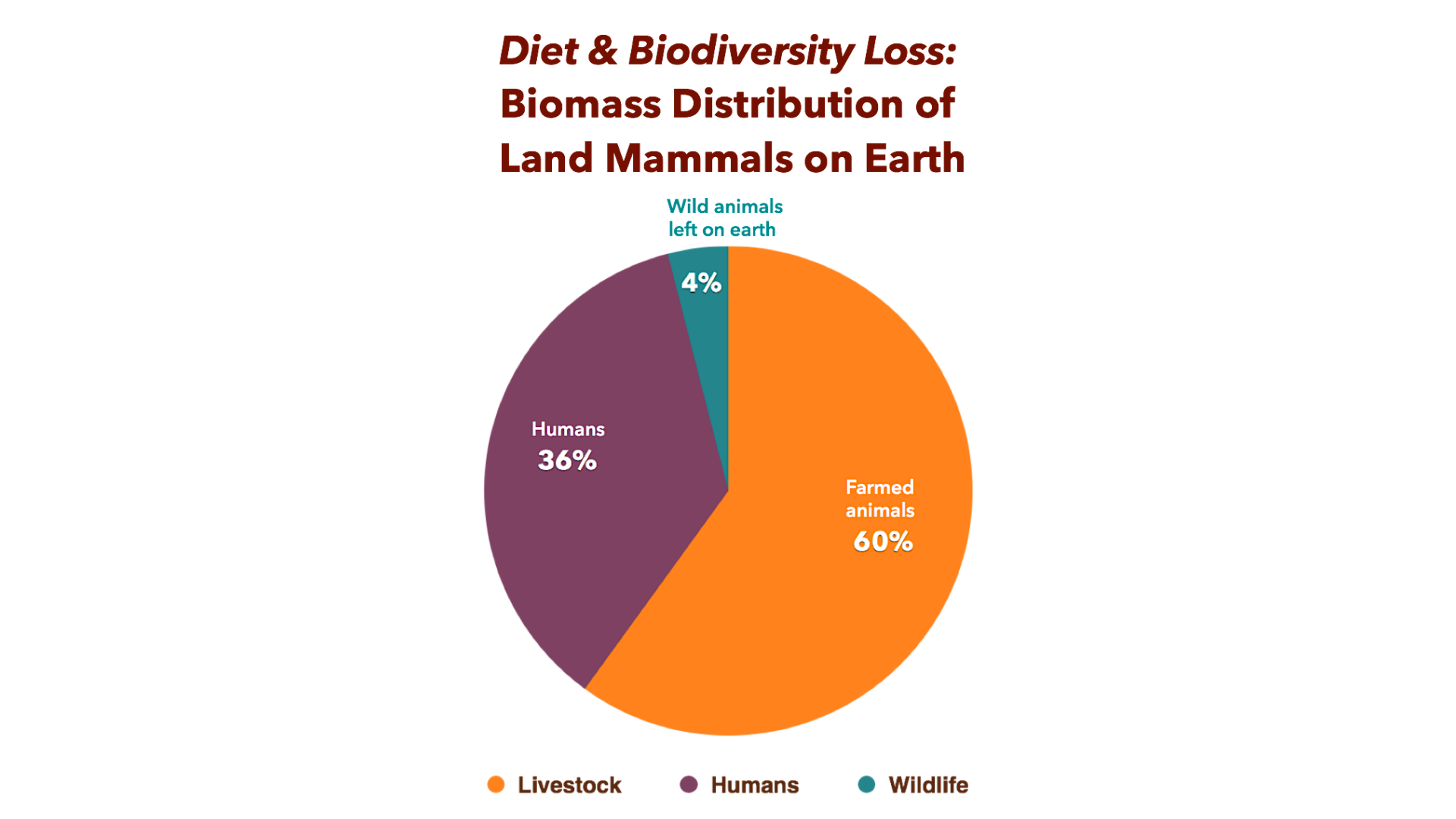
Over the last year or two, I’ve begun to think about the economics of our civilisation. I’ve ended up having to rethink economics, along the way, almost entirely. I want to share with you where some of that thinking has led me, and what it points to.
The way that I’ve begun to think about the economics of civilisations now, and I’ve talked a bit about this, hinges on two concepts I call Thanatos and Eros. I’ve taken these from Freud, because economics needed something like them, but doesn’t have one. Freud meant them to represent a person’s death drive and “libido,” or life force. I mean them in this way: what is a civilisation’s life-giving — or life-destroying — potential and level?
We need to begin thinking in such a way for a very simple reason. Three to five decades of mounting catastrophe are now coming our way. The 2030s are the decade of climate catastrophe, as global warming heats the planet to temperatures unseen for millions of years. The 2040s will be the decade of the Long Goodbye, as mass extinction reaches levels not seen for millions of years. And the 2050s will be the decade of the Great Collapse, when the planet’s ecologies finally implode — for good. And along the way, our civilisation is going to break down in catastrophic ways, as it already is. You can see how unprepared we are — look at what just one year of a minor league calamity, Covid, has done. Now imagine what happens as all that, fire, flood, plague, intensifies.
Thanatos and Eros are strange, unfamiliar ways to think about economics. So let me try to make them clearer.
Orthodox economics tells us that the most productive things on planet earth are…us. We make computers and cars and rockets and so forth. Productivity is the lodestar of an economy. By it, we mean: are we making things that are useful to others, and if so, how much? A computer is more productive than an abacus precisely because it is more useful — you can do more with it. Our economies are more productive not just because they make more stuff, but because that stuff is more useful.
But all that elides — avoids — a very simple question. Useful to whom? The insects and bees and forests and rivers don’t care about our computers and cars and batteries and so forth.
Our civilisation is only productive for us.
You might say: “Well, so what? Are you an idiot? Of course it is!!” But that is very, very different to the way the rest of the entire planet works. The entire rest of the planet is productive in a higher, better, deeper way. Let’s call that “bioproductivity”, if you want. What does that mean?
The rest of the world is “producing” stuff — goods — too. Unlike us, though, they are producing goods for everyone, not just us. Everyone as in “all of life,” not just “us humans.” Think about the fish. They clean the rivers — from which everything drinks. Or think about the trees — they are happily producing air, which everything breathes. The soil is helping produce plants and other organisms, which are eaten by all kinds of life. The worms clean the soil, which benefits much, much more than just the worms.
The rain falls, not for the sake of the rain.
Do you see the point I’m trying to make? Our civilisation is “productive” for us. And so economics as it stands simply calls that the only kind of productivity there is. But there’s a much higher kind of productivity, in which things are produced for the benefit of all, or at least many more species than just the producer. I’ve given you many examples, but let me repeat a few. The trees produce air, which is not for the trees at all. The fish clean the rivers, and all animals drink. The soil produces crops, which vast numbers of species eat, and the soil is nourished and turned by the insects and little creatures.
Keep reading with a 7-day free trial
Subscribe to HAVENS to keep reading this post and get 7 days of free access to the full post archives.