
Why Didn’t America Become Part of the Modern World?
The Great Lesson of the 20th Century — and How America Never Learned It
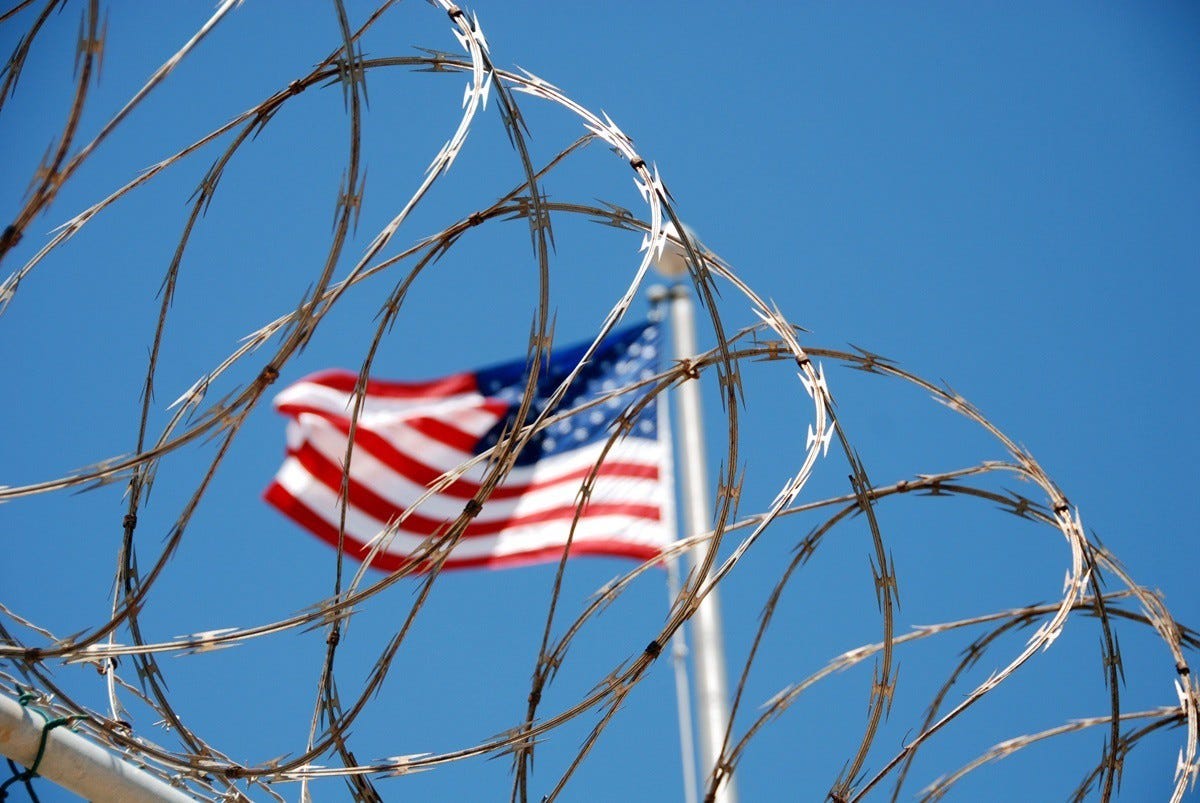
Now think of America. People die for a lack of insulin. Young people who can’t afford to start families of their own. The average person living perched right at the edge of ruin, one missed paycheck, one illness, one emergency away from disaster. An endless and gruesome list of stuff that puts the dark ages to shame.
Here’s what I think. American never joined the modern world. It’s the modern world’s first failed state. It became something like a weird, bizarre dystopia, replete with falling life expectancy, hand-to-mouth living, relentless and legendary cruelty, instead of a truly modern society instead. But why?
The creation of “modernity,” as intellectuals sometimes call it, was one of history’s greatest accomplishments. But what does it mean to be “modern”? I don’t think that we need grand abstruse theories to really get it. I think it hinges on one simple, crucial, and deceptively beautiful insight.
Poverty unleashes animal spirits in human beings which lead to ruin, catastrophe, and war. That’s the essence of modernity — I’ll come to precisely how this great insight changed the world. First, I want you to understand how we learned it.
You might think — “well, that’s simple! Duh!” Ah, but the truth is it’s anything but. For millennia, human beings didn’t understand that, did they? So the world was run by a long succession of feudal and tribal systems. Poverty was enforced, created, and managed. Some people were peasants and serfs. Others still were slaves. And atop them sat a tiny number of nobles, or owners, or kings. What was the result of this model of social order?
It was endless war. Societies had to compete for land, for “resources,” which mostly meant new slaves and peasants. But why? Because the vast majority of people, being poor, couldn’t create much. They couldn’t, for example, build great hospitals, discover antiobiotics, and then pioneer healthcare systems. They were just peasants. And when the peasants grew angry, the nobles had two choices. Revolution — or war. And usually, war was easier than fighting off a revolution. So: centuries of endless, bitter war. While the world went precisely nowhere, in terms of how well people lived, until the industrial revolution.
Keep reading with a 7-day free trial
Subscribe to HAVENS to keep reading this post and get 7 days of free access to the full post archives.