
The Promise and Peril of the Creator Economy
What Influence Is, and Why It’s Becoming an Economy All Its Own — In a World of Meltdown
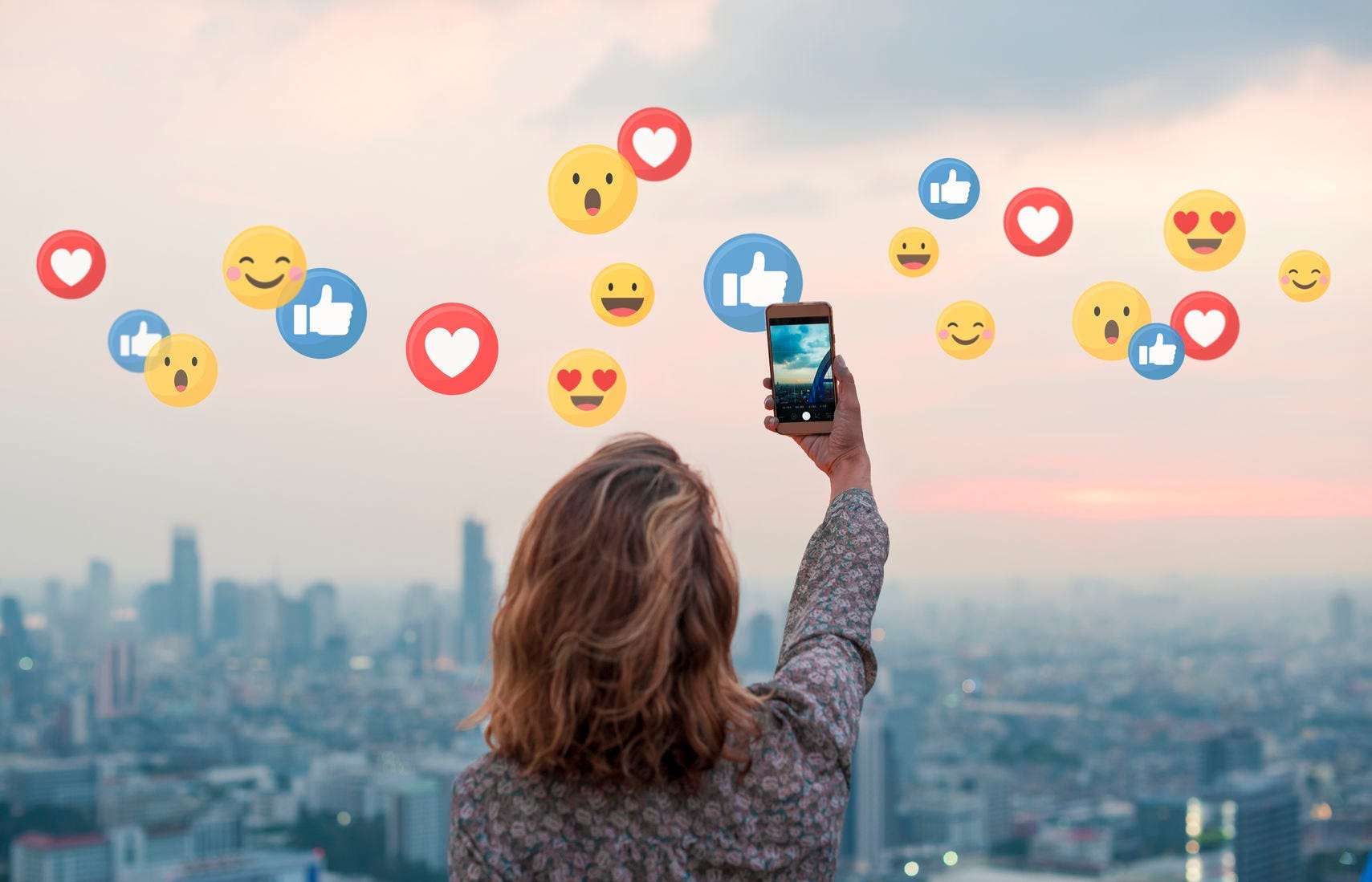
In case you’ve been on Mars for the last few years, here on earth, a new thing’s emerged. The “Creator Economy,” it’s coming to be called. Every Zoomer’s heart quickens with the thought of…never having to have a “real” job…and just be a carefree creator instead. To have your own mini-brand, on TikTok, YouTube, Medium, Substack, what have you — and…just…create…and be paid handsomely for this act of…wait, what are we creating, anyways?
Let me give you a bit of an inside scoop, and an outside one. I’ve helped run one of the world’s largest marketing groups, as some of you know, and after that, I played a key role, I suppose, in this thing that’s come to be called “the Creator Economy.” I was an early adopter at Medium, became one of its top writers, etcetera, etcetera, reaching very large numbers of people, writing away every day. It’s a little different than being a makeup influencer on TikTok, but…let’s start there.
The Creator Economy. What even is it? What’s its “market segmentation,” if you like, the various categories it’s composed of? There are roughly three categories. First comes what we economists call “double sided market,” or in plainer English, intermediaries. This is what’s now the new hot thing in marketing — “influencers,” people who’ve built up audiences of their own, and along come brands, who essentially pay to reach them. The “influencers” sit in the middle of this “double sided market,” connecting both sides. Then there are growing legions of people who are paid directly to have their own newsletters or publications. And finally come those who are exemplified by “YouTubers” — they get a cut of ad or platform revenue, basically. Just through these three market segments you can see that the Creator Economy is growing into a rich, vivid little place in its own right, diverse, multi-faceted, energetic.
All this is a strange new world, at least in terms of traditional media. Think of how fast media’s changing. There are streaming platforms, suddenly raising rates. Why are they doing that? Everyone’s in a mad scramble to figure out how to…make money…as a process of hyper-fragmentation unfolds. In their case, it’s more maximizing profits — after all, we all know how handsomely paid studio CEOs are, compared to striking writers and producers. But the general principle holds: media’s being shattered into millions, billions of little pieces. And what Creators do is rebundle those fragmented audiences, essentially, into new ones, that transcend old boundaries, where people were grossly categorized by demographics and zip code and maybe a little bit of psychology, and along would come advertisers and say, “ah, we want a piece of that pie!”
Now, the relationship’s much purer, in a sense. You can say: “I want people who are interested in red lipstick, and I don’t care about anything else about them, really, just red lipstick” — and there’ll be a hundred influencers who’ll be eager to help you do just that one particular ultra fine-grained job. Hyper fragmentation — and putting Humpty Dumpty back together again.
The impression is that being part of the Creator Economy’s easy. And there’s a reason for that. Creators themselves have to give the impression that it’s carefree, free-wheeling, free-spirited. They’re always smiling. They’re never too critical. They always seem excited. Do you know what YouTube face is? Just go look at YouTube, and people make these half-crazed faces, mouths hanging open in shock slash excitement, eyes raised in faux exhilaration. That’s part of the job.
Being a Creator is hard work. Really, really, hard work. I don’t mean that in the same way as an office job. It’s a new field, and its strains and stresses are different, too. Churning out high volumes of increasingly high-quality content? A lot of people think that’s easy. Making a video, writing a post, managing an audience — day after day? The volumes Creators have to manage are on another level: think of a movie, it’s two hours long, and it takes year to make. A book. A couple of hundred pages, in years. A TV show — ten hours, a year.
Creators have to output volumes an order of magnitude or more — 10 times more — than that, easily, just to get into the game. So the first thing to note is that the Creator Economy is an ultra-high volume one, which requires relentless amounts of…labour, nonstop, 24/7. But it’s not really just creating “content” that’s even the hardest — or most crucial — part of the work.
Keep reading with a 7-day free trial
Subscribe to HAVENS to keep reading this post and get 7 days of free access to the full post archives.