
If the Future Is Like the Present, Our Civilization Will Collapse
Why the 21st Century Is Going to Be the Most Monumental One of All
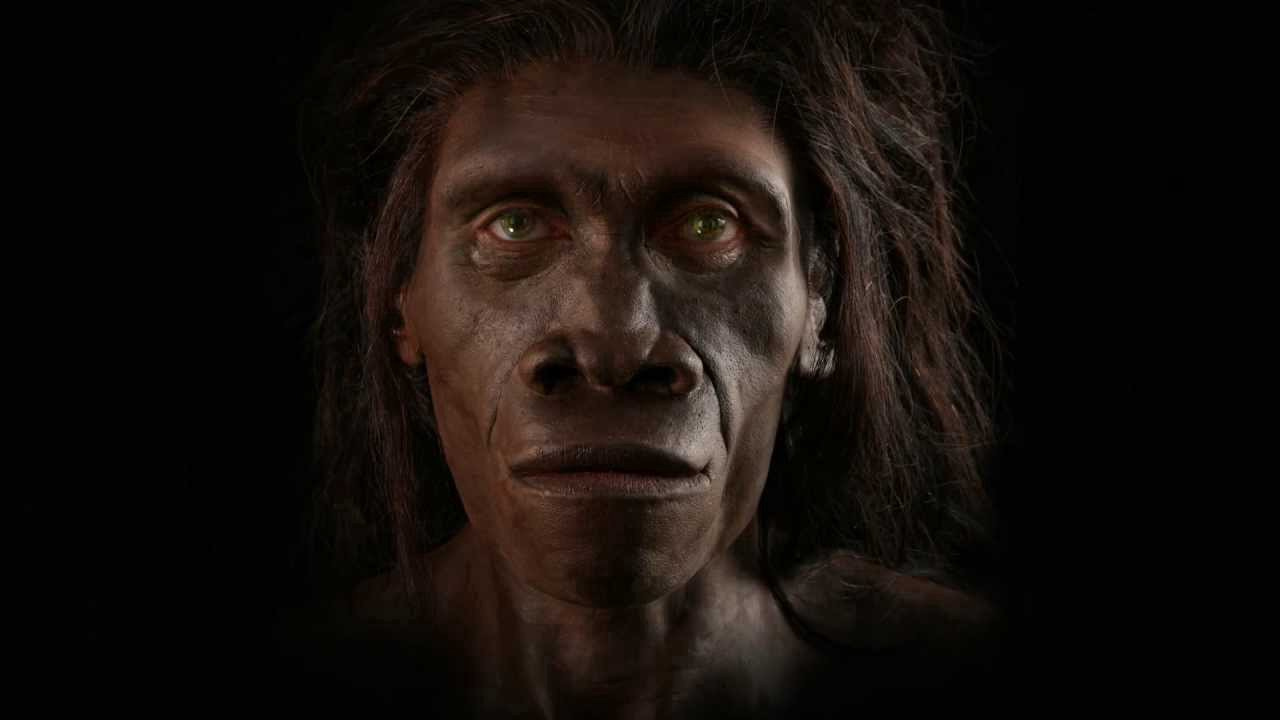
I find myself wondering these days if we’ve reached the end of the first chapter of human history. Climate change, ecological collapse, mass extinction, the pandemic, the economic depression, political paralysis, social chaos, and rising extremism… for the first time in human history, we face threats at an existential level. Civilization as we know it cannot go on the way that we’ve grown accustomed to. And we’ve seen in the last couple of years just how quickly the world as we know it can screech to a grinding halt. And so I’m left with a thought: if the future isn’t dramatically and radically different from the past, our civilization is going to go right on collapsing.
One of the things we haven’t quite understood yet is just what a time of dramatic transformation the 21st century is going to be. For us. And I don’t just mean coronavirus — but in an even wider frame still.
The 21st century is going to the end of one chapter of humanity’s story — and the beginning, maybe, of another. It is going to be the end of the first chapter of humanity’s story — it’s roiling, joyous, painful birth and adolescence — and, if we are wise, its transition to becoming a mature species. Let me explain what I mean by that.
The 21st century is going to be the first time — ever — that the human species stops increasing, expanding, and growing. The human population is — for the first time in history — projected to finally peak this century, for the first time ever, in a hundred thousand years. Let me put all that in perspective, if your response is — “so what?” — I think it is one of the most significant events of all time, and I don’t say that for hyperbole’s sake. So powerful and meaningful that we haven’t even begun to think about it. I think it explains everything from today’s wave of fascism, to climate change — to tomorrow’s urgent, desperate need for better paradigms of everything, from economics to politics to society.
What does the end of the first chapter of human history really mean, say, tell us? It tells us that everything is going to change, and it is going to change radically, my friends.
About 70,000 years ago, a small number of humans — a few clans, a tribe, maybe just a family — left Africa. They expanded across Asia, and upwards through Europe. They walked across Siberia, and reached the Americas.They traveled down the coast, until, at last, they found themselves at the tip of Patagonia. That brings us to about 15,000 years ago.
After that, human beings expanded themselves into “civilizations,” and those civilizations began warring for land, power, for silver and gold, for slaves and servants — for resources, essentially. The winning “civilization” was the West, in the end. The West “explored” the “world” and “discovered” the “new world” — so the story goes (it’s wrong, as you can see.) Then it proceeded to colonize it, which is to say, enslave it, control it, and dominate it — all in the name of control over its resources, whether Virginian tobacco, Indian cotton, or Jamaican sugar and rum. And that brings us to now.
Up until now — this very moment in history — the human race has been characterized by one single act. The act above. The act of expansion — for more resources, since numbers were always growing, growing, growing. With expansion, came war, slavery, tyranny, hatred. With expansion came violence of every kind. As the Biblical story eerily alludes to: in the exile from the garden is born sin. Whether or not we take it seriously, the story of the human race thus far has been one of a triumphant species, ever expanding, thanks to the easy bounty, the plenitude before it. If my goal is to expand, which is to control more resources, so my people can grow — why shouldn’t I consider you a “resource” too?
Keep reading with a 7-day free trial
Subscribe to HAVENS to keep reading this post and get 7 days of free access to the full post archives.